Sign up to Newsletter Book a Free Demo

Measuring Print Management Savings: KPIs to Track

Sep 04, 2025

For many organisations, printing remains one of the most underestimated business costs. Devices, toner, paper, energy usage, support time, and inefficient workflows all add up, often without clear visibility or accountability.

That’s where print management makes a measurable difference. But to truly understand its value, businesses need to track the right Key Performance Indicators (KPIs). Without meaningful metrics, it’s impossible to prove savings, optimise performance, or plan improvements.

In this blog, we explore the most important KPIs to track when measuring print management savings, and how businesses can turn data into real cost control.

Why Measuring Print Savings Matters

Print costs are often spread across multiple budgets, suppliers, and departments. This makes it difficult to understand true spend or identify inefficiencies.

By implementing a managed print approach and tracking KPIs, organisations can:

This is why many businesses partner with providers like The DMS Group’s Managed Print Services to bring structure and transparency to their print environment.

What Is Print Management?

Print management, often delivered as Managed Print Services (MPS), covers the assessment, optimisation, and ongoing management of an organisation’s print environment.

This typically includes:

You can learn more about this approach on The DMS Group’s print management solutions page, where the focus is on reducing costs while improving reliability and control.

Establishing a Baseline Before You Measure

Before tracking savings, it’s essential to understand your starting point.

A baseline assessment should include:

Without this baseline, savings cannot be accurately measured. This is why a print audit, such as those offered through The DMS Group’s print assessment services, is often the first step.

Cost‑Focused KPIs to Track

Total Cost of Ownership (TCO)

This includes all costs associated with printing, not just consumables. Tracking TCO helps reveal the true financial impact of your print environment.

Cost Per Page (CPP)

A core KPI in print management. Lowering CPP across mono and colour printing is one of the clearest indicators of savings.

Monthly Print Spend

Monitoring spend over time highlights trends, seasonal spikes, or areas where controls are needed.

Usage and Behaviour KPIs

Total Print Volume

Tracking overall volume, and how it changes, shows whether optimisation strategies are working.

Colour vs Mono Usage

Colour printing is significantly more expensive. Monitoring and controlling colour usage can deliver immediate savings.

Prints Per User or Department

This KPI helps identify outliers and encourages more responsible printing behaviour.

Secure printing features, often detailed on The DMS Group’s secure print solutions pages, also help reduce abandoned or unnecessary print jobs.

Device and Fleet Efficiency KPIs

Devices Per Employee

Too many devices increase costs and maintenance overhead. Fleet consolidation is a key driver of print savings.

Device Utilisation Rates

Under‑used devices represent wasted spend. High utilisation indicates a well‑optimised fleet.

Downtime and Fault Frequency

Frequent faults impact productivity and support costs. Managed print environments aim to minimise disruption.

These metrics are central to The DMS Group’s managed device and support offering, where reliability and performance are closely monitored.

Workflow and Process KPIs

Digital vs Print Workflows

Tracking how often documents are digitised instead of printed highlights progress toward paper reduction.

Scan‑to‑Cloud and Automation Usage

Increased use of scan‑to‑email or scan‑to‑cloud workflows reduces printing and improves efficiency.

These capabilities are often part of The DMS Group’s document and workflow solutions, helping businesses modernise processes.

Security and Compliance KPIs

Secure Print Adoption Rate

Measures how many users authenticate before printing, reducing data exposure.

Reduction in Unsecured Print Jobs

A strong indicator of improved compliance and data protection.

Audit and Compliance Incidents

Fewer incidents demonstrate better control over sensitive information.

Security‑focused KPIs align closely with The DMS Group’s secure print and compliance services.

Sustainability and Environmental KPIs

Paper Consumption

Reduced paper usage directly supports sustainability goals.

Duplex Printing Adoption

Tracking default double‑sided printing helps cut paper waste.

Energy Consumption

Modern, efficient devices consume less power and reduce environmental impact.

Many organisations use these KPIs to support CSR initiatives alongside The DMS Group’s sustainability‑focused print strategies.

User Experience and Productivity KPIs

Print‑Related Support Tickets

A reduction in tickets indicates a more reliable environment.

Average Resolution Time

Faster issue resolution improves employee productivity.

User Satisfaction

Happy users are a strong indicator that print management is working effectively.

Reporting and Ongoing Optimisation

KPIs should be reviewed regularly using dashboards and reports provided through managed print platforms. This allows businesses to:

Ongoing reporting is a core part of The DMS Group’s managed print services, ensuring savings are sustained over time.

Common Mistakes When Measuring Print Savings

Businesses often struggle when they:

A structured approach avoids these pitfalls.

How The DMS Group Helps Measure and Maximise Print Savings
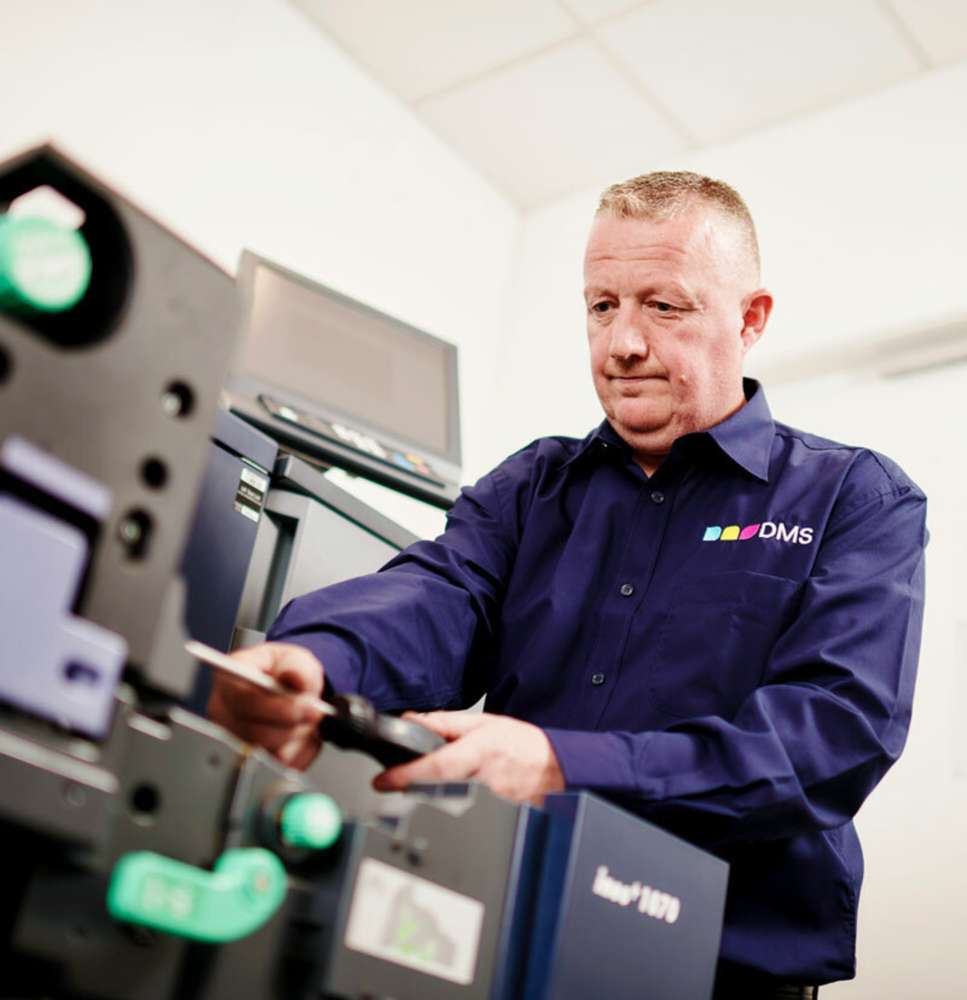
The DMS Group supports organisations through:

By combining insight with action, print savings become both visible and measurable.

Turning Print Data into Real Savings

Measuring print management savings isn’t just about collecting data, it’s about using the right KPIs to drive better decisions. When tracked correctly, these metrics uncover inefficiencies, improve security, and deliver long‑term cost control.

With the right KPIs and a trusted print management partner, businesses can transform print from a hidden cost into a controlled, optimised service.


Frequently Asked Questions: Measuring Print Management Savings

What are print management savings?

Print management savings are the measurable reductions in cost and inefficiency that come from taking control of an organisation’s print environment. This includes lowering day‑to‑day printing costs, reducing the number of devices in use, cutting waste, improving reliability, and minimising the time IT teams spend dealing with print‑related issues. When managed properly, print becomes a predictable and optimised service rather than an uncontrolled overhead.

Why is it important to measure print management savings?

Without measurement, print costs often go unnoticed. Printing is typically spread across departments, suppliers, and budgets, which makes it difficult to understand the true cost. Measuring savings allows businesses to clearly demonstrate value, justify investment, and continuously improve performance. KPIs provide the visibility needed to make informed decisions rather than assumptions.

Which KPIs matter most when measuring print savings?

While many metrics can be tracked, the most meaningful KPIs are those that directly link usage to cost and behaviour. Cost per page and total cost of ownership are essential for understanding financial impact, while print volumes, colour usage, and device utilisation reveal how efficiently the environment is being used. The key is focusing on KPIs that drive action, not just reporting.

How do we know what our print costs are today?

The starting point is a baseline assessment. This involves reviewing the number of devices in use, how much is being printed, what consumables cost, and how much time is spent supporting printers. Many organisations underestimate these figures until a formal print audit is carried out, which is why assessments are often the first step in any managed print programme.

How quickly can print management deliver measurable savings?

In many cases, businesses see early savings within the first few months. Quick wins often come from removing under‑used devices, lowering colour usage, and reducing waste from unclaimed print jobs. Longer‑term savings follow as workflows improve, user behaviour changes, and the print environment becomes more efficient and reliable.

How does secure printing affect print costs?

Secure printing plays a bigger role in cost reduction than many businesses realise. By requiring users to authenticate before documents are printed, secure print eliminates forgotten or abandoned jobs. This reduces paper and toner waste while also improving data security. Over time, this leads to noticeable reductions in unnecessary printing.

Can print management really improve security and compliance?

Yes. Printing is often an overlooked security risk. Managed print solutions add visibility and control, helping organisations track who prints what and when. This supports compliance requirements, reduces the risk of sensitive documents being left unattended, and strengthens overall data protection policies.

How do usage KPIs help change employee behaviour?

When printing behaviour becomes visible, it naturally becomes more considered. Departments and individuals who understand their usage are more likely to reduce unnecessary printing. Over time, this cultural shift, supported by sensible print policies, contributes significantly to sustained cost savings.

What role does sustainability play in print KPIs?

Sustainability is closely linked to cost control. Reducing paper usage, encouraging double‑sided printing, and using energy‑efficient devices all lower operating costs while supporting environmental goals. Tracking sustainability‑related KPIs allows organisations to demonstrate progress internally and externally.

How often should print KPIs be reviewed?

Print KPIs should be reviewed regularly to ensure savings are maintained. Monthly or quarterly reviews are common, depending on the size of the organisation. Regular reporting helps identify trends, address issues early, and adapt to changes in business activity.

Can existing printers be included in a managed print service?

In many cases, yes. Existing devices can often be incorporated into a managed print environment if they are efficient and reliable. Part of the optimisation process involves identifying which devices should remain, which should be replaced, and where consolidation would deliver better value.

What mistakes do businesses commonly make when measuring print savings?

A common mistake is tracking too many metrics without clear purpose. Others include ignoring indirect costs such as IT support time, failing to update baselines as changes are made, or not assigning responsibility for print performance. Effective measurement focuses on clarity, relevance, and accountability.

How does print management reduce the burden on IT teams?

Print issues can consume a surprising amount of IT time. Managed print services reduce this by providing proactive monitoring, automated consumables management, and specialist support. This frees internal IT teams to focus on more strategic initiatives rather than day‑to‑day printer issues.

Is print management suitable for smaller organisations?

Print management is highly scalable and works just as well for small and medium‑sized businesses as it does for larger organisations. In fact, smaller businesses often benefit quickly because unmanaged print costs can represent a larger proportion of overall IT spend.

How can we be confident that print management is delivering ROI?

Return on investment becomes clear when KPIs are tracked consistently over time. Reduced monthly spend, fewer devices, lower support requirements, improved security, and better sustainability metrics all provide tangible evidence that print management is delivering value.

Why should businesses work with The DMS Group?

The DMS Group combines print expertise with a wider understanding of business technology. Their approach focuses on measurement, optimisation, and ongoing improvement, ensuring that print savings are not only achieved but sustained as the business evolves.

What is the first step in measuring print management savings?

The first step is gaining visibility. A print assessment establishes a baseline, identifies inefficiencies, and defines which KPIs matter most to the business. From there, optimisation and continuous measurement turn print data into meaningful savings.


Contact us for support
What can a print audit do for you

What Can a Print Audit Do for You?

A print audit helps you understand exactly how your printing environment is performing. It highlights where money is being spent, where inefficiencies exist, and where improvements can be made.

Read More
DMS Office Headshots12103 2022 02 02 152656 avzn d08e2acd556fb393022bcecf37859ab9

Scaling Across Multiple Sites: Managed IT Solutions for Multi-Location Businesses

This guide explains the most common challenges multi-location businesses face, and how a joined-up IT approach can keep everything running smoothly as you scale, with support from DMS Group when you need it.

Read More
Guide to creating digital signage content 1

Ultimate Guide To Creating Digital Signage Content

This guide walks through everything you need to know about creating digital signage content that captures attention, delivers clear messages, and drives results.

Read More
technology-for-the-public-sector

Digital Transformation Challenges Faced by the Government and Public Sector

In the public sector, digital transformation is crucial for helping the government, the NHS, educational institutions, and other public sector organisations to operate more efficiently, engage better with the public, and reduce costs.

Read More
The advantages of custom it network solutions for robust connectivit

The Advantages of Custom IT Network Solutions for Robust Connectivity

IT network solutions are comprehensive services and technologies essential for managing and facilitating an organisation's communication systems. These solutions encompass the necessary hardware, software, and protocols to create and maintain a robust network infrastructure.

Read More
Led video walls explained 1

Everything You Ever Wanted to Know About LED Video Walls

If you’ve ever wondered how LED video walls work, what makes them different from other display technologies, or whether they’re right for your space, this guide covers everything you need to know.

Read More
The role of virtual print drivers 1

The Role of Virtual Print Drivers in Simplifying Print Management

Virtual print drivers offer a smarter alternative. By removing the dependency on device‑specific drivers, they simplify print management while improving consistency, security, and scalability.

Read More
Led vs lcd for digital signage

LED vs LCD: Which is Best for Digital Signage?

taking a look at some of the key things to consider when shopping for digital signage, and answering one of the biggest questions- LED or LCD?

Read More
DMS CCS Supplier Blog Header

What Should Schools Look for in a Managed IT Service Provider?

Choosing the right managed IT service provider is one of the most important decisions a school can make. From lesson delivery to safeguarding and administration, technology underpins almost every aspect of education.

Read More
Mobile printing explained 1

Mobile Printing Explained: Print on the Go

As hybrid and remote working become the norm, mobile printing has moved from a convenience to a practical necessity for many organisations.

Read More

Made by Statuo